Mold Control in Dallas, TX
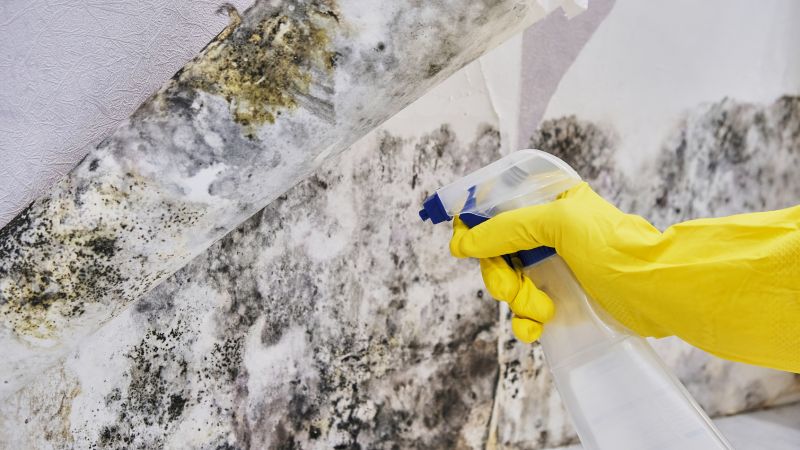
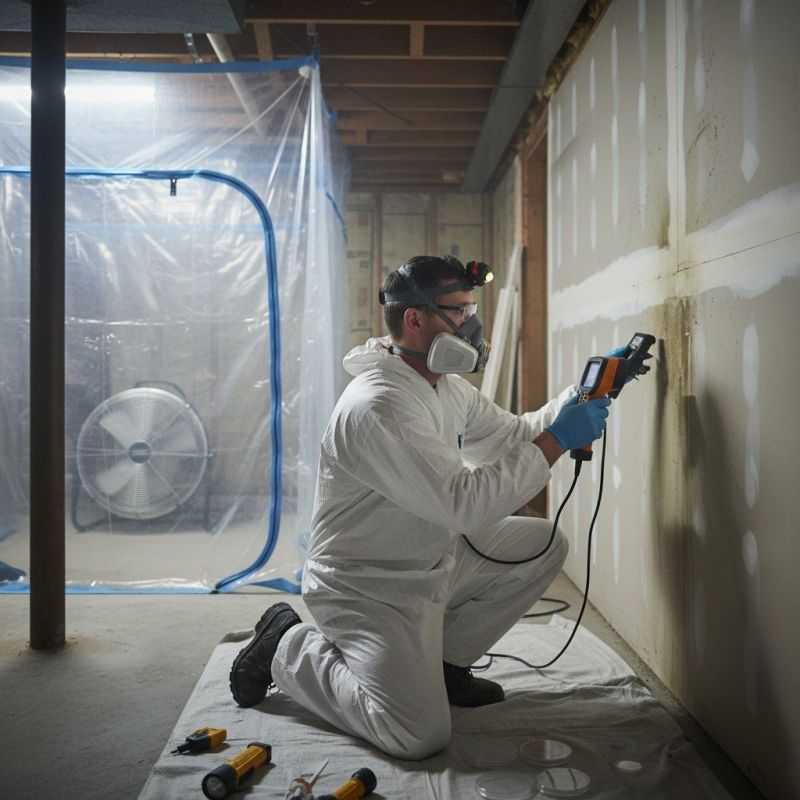
Mold control services focus on identifying and removing mold growth within residential properties, helping to improve indoor air quality and prevent potential health issues. These services typically cover projects such as mold inspection, moisture assessment, mold removal, and remediation in areas like basements, bathrooms, attics, or any spaces experiencing excess humidity or water intrusion. Property owners often seek mold control when noticing visible mold, persistent musty odors, or signs of water damage, and want to understand the extent of the mold problem and the best approach for safe and effective removal.
Before requesting mold control services, homeowners should consider the scope of the affected areas, the history of water issues, and any health concerns related to mold exposure. It’s helpful to know if the mold growth is localized or widespread, and whether there has been recent water damage or ongoing moisture problems. Understanding these factors can assist in determining the appropriate steps for mold removal and ensure that proper measures are taken to prevent future growth.
Many property owners in Dallas, TX look into Mold Control for repairs, replacements, upgrades, and appearance-related improvements.
Mold Prevention Strategies
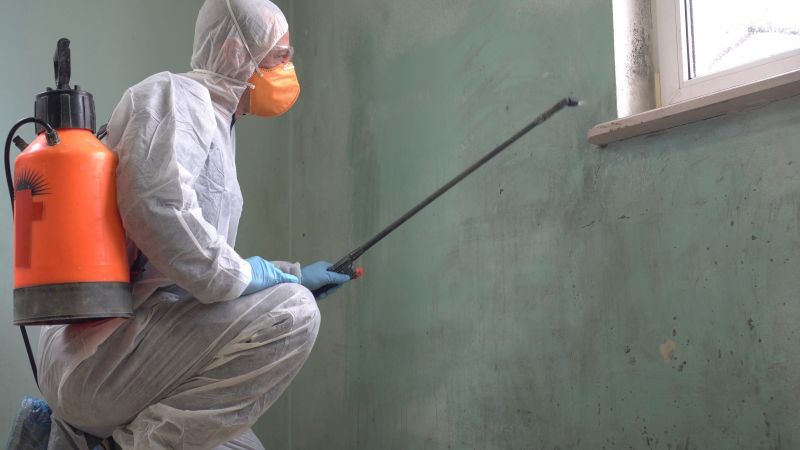
Effective methods to reduce moisture and prevent mold growth in dallas homes.
Signs Of Mold Presence
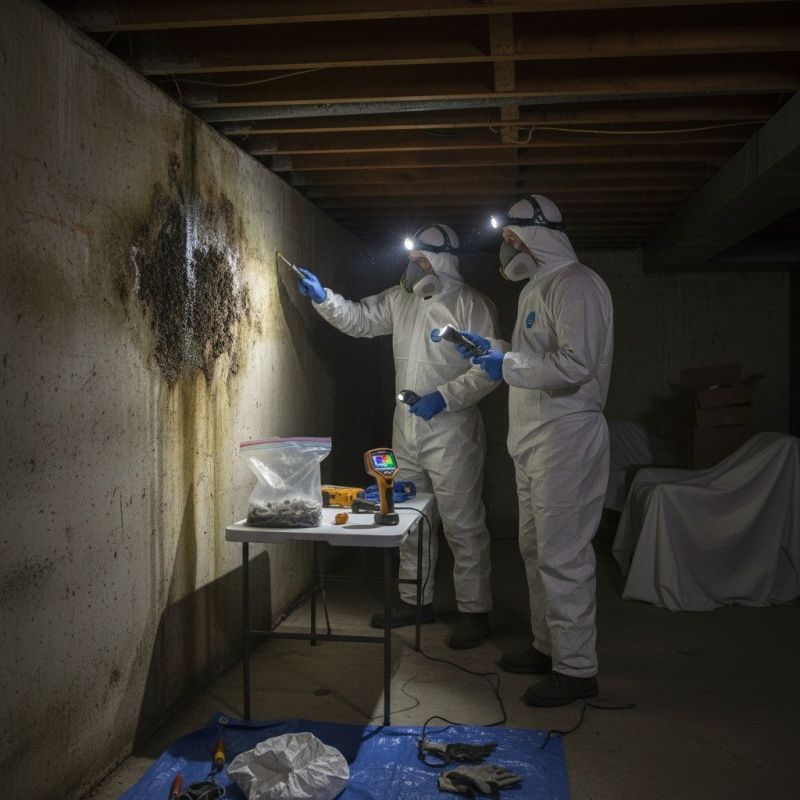
Indicators like musty odors and persistent condensation that suggest mold issues indoors.
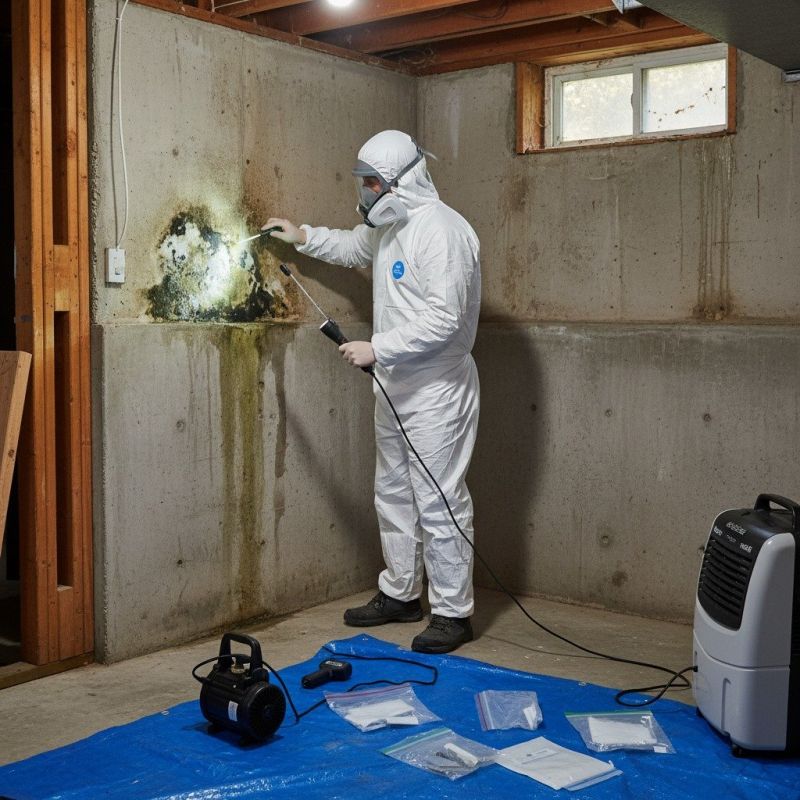
Mold Remediation Solutions
Professional services to safely remove mold and restore indoor air quality in residential properties.
Mold Control in Dallas, TX
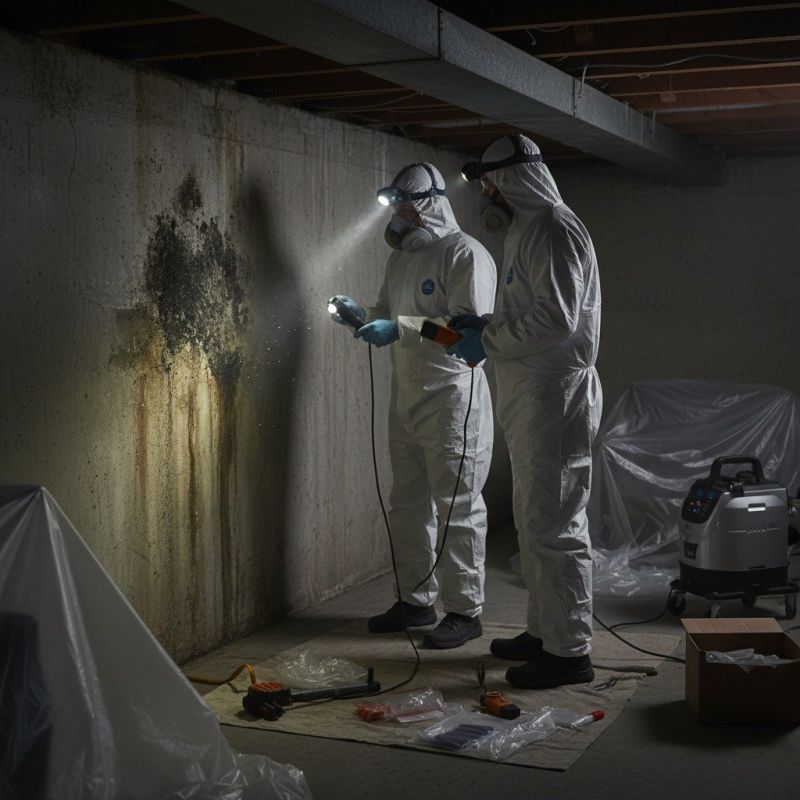
Mold control services focus on identifying and removing mold growth within residential properties, helping to improve indoor air quality and prevent potential health issues. These services typically cover projects such as mold inspection, moisture assessment, mold removal, and remediation in areas like basements, bathrooms, attics, or any spaces experiencing excess humidity or water intrusion. Property owners often seek mold control when noticing visible mold, persistent musty odors, or signs of water damage, and want to understand the extent of the mold problem and the best approach for safe and effective removal.
Before requesting mold control services, homeowners should consider the scope of the affected areas, the history of water issues, and any health concerns related to mold exposure. It’s helpful to know if the mold growth is localized or widespread, and whether there has been recent water damage or ongoing moisture problems. Understanding these factors can assist in determining the appropriate steps for mold removal and ensure that proper measures are taken to prevent future growth.
Many property owners in Dallas, TX look into Mold Control for repairs, replacements, upgrades, and appearance-related improvements.
Common Mold Control Jobs
Mold Remediation - removal of existing mold growth from indoor surfaces and materials.
Mold Prevention - implementing strategies to inhibit future mold development in homes.
Moisture Control - identifying and addressing sources of excess humidity that promote mold growth.
Air Quality Improvement - reducing airborne mold spores for healthier indoor environments.
Leak Repair - fixing plumbing or roof leaks that contribute to mold issues.
HVAC Mold Treatment - cleaning and treating heating and cooling systems to prevent mold spread.
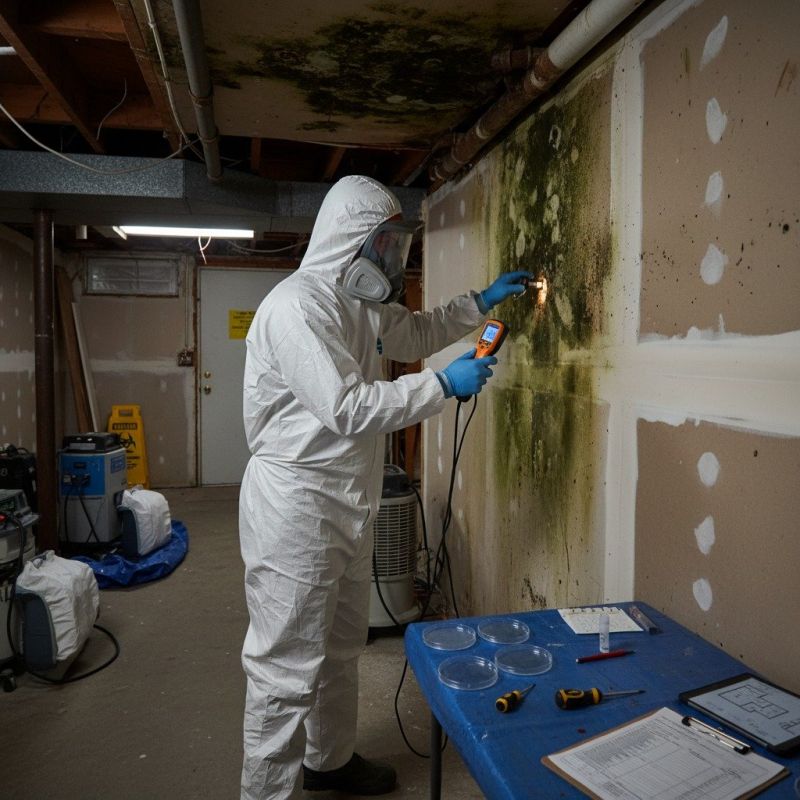
Mold Control Questions
What causes mold growth indoors? Mold grows in areas with excess moisture, such as leaks, high humidity, or poor ventilation.
How can property owners prevent mold? Maintaining dry conditions, fixing leaks promptly, and ensuring proper ventilation can help prevent mold.
What types of mold are commonly found in homes? Common indoor molds include Aspergillus, Cladosporium, and Stachybotrys, often called black mold.
When is mold control necessary? Mold control is recommended when visible growth or musty odors are present, or if moisture issues are detected.
Request Mold Control in Dallas, TX
Use the quote form on this page to share the basics of your project and request more information for the type of work you need.